Many people struggle with staying focused, managing stress, or dealing with lingering mental health challenges like anxiety or sleep issues. These struggles can make daily life feel more difficult than it should be. While traditional approaches like therapy and medication can help, they don’t always work for everyone, and some people prefer natural, non-invasive options. This is where neurofeedback therapy is making a difference Neurofeedback centers are gaining attention for their ability to offer a new kind of cognitive therapy—one that is safe, personalized, and focused on training the brain to function better. By helping people understand and regulate their own brain activity, neurofeedback is leading the way in providing effective solutions for a range of cognitive and mental health challenges. Let’s explore how these centers are transforming cognitive therapy and why they’re becoming a preferred choice for many.
What Is Neurofeedback Therapy?
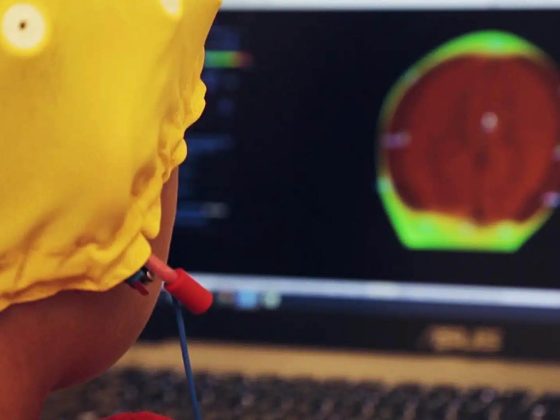
Neurofeedback is a type of biofeedback therapy that monitors real-time brainwave activity to help individuals learn how to regulate their brain function. During neurofeedback sessions, sensors are placed on the scalp to measure electrical activity in the brain, allowing patients to receive immediate feedback, either through visual displays or auditory cues. The goal is to teach the brain to self-regulate by promoting healthier brainwave patterns that support improved cognitive and emotional health.
The process of neurofeedback is straightforward but highly effective. In a typical session, patients sit comfortably while sensors attached to their scalp monitor the brain’s activity. The feedback provided through visual or auditory signals helps the brain recognize its own patterns, allowing it to adjust towards more balanced functioning. Since this therapy is non-invasive and drug-free, it provides a safe, natural approach to cognitive and mental health improvements, making it an attractive option for individuals seeking holistic alternatives to conventional treatments.

The Science Behind Neurofeedback And Brain Regulation
Brainwaves are electrical impulses in the brain associated with different states of consciousness and cognitive functions. The primary types include alpha, beta, delta, and theta waves. For instance, beta waves are linked to active thinking and problem-solving, while alpha waves correspond to a relaxed state. Delta waves are associated with deep sleep, and theta waves are prominent during meditation or light sleep. Neurofeedback therapy helps individuals train their brainwaves to achieve the desired states, such as enhanced concentration or better relaxation, depending on their goals.
The concept of neuroplasticity, the brain’s ability to reorganize itself by forming new neural connections, is key to understanding how neurofeedback works. By using neurofeedback to encourage the brain to “relearn” healthier patterns, patients can see significant improvements in cognitive and emotional functioning. Repeated exposure to brainwave feedback during therapy helps the brain form new, more efficient pathways, allowing for better self-regulation and enhanced mental health.
Key Benefits of Neurofeedback Therapy
Neurofeedback therapy offers several significant benefits for individuals looking to improve their mental and cognitive health. One of the most prominent advantages is its ability to enhance focus and attention, which is particularly beneficial for individuals with ADHD. By training the brain to sustain attention, neurofeedback can help children and adults improve academic and work performance. Additionally, neurofeedback therapy is effective at reducing anxiety and stress by regulating overactive brainwave patterns that contribute to these conditions. As the brain learns to maintain a more balanced state, individuals often experience a reduction in anxiety symptoms and a greater sense of calm.
Sleep quality is another area where neurofeedback can make a big difference. The therapy optimizes brainwave patterns that are crucial for restful sleep, helping individuals fall asleep more easily and enjoy deeper sleep cycles. Improved sleep quality can lead to better mood, increased energy, and enhanced cognitive performance throughout the day. Furthermore, neurofeedback helps support emotional regulation by promoting balanced brainwave activity. This can lead to reduced mood swings and more stable emotional responses, making it easier for individuals to manage everyday stressors.
Neurofeedback is also used by high-performing professionals and athletes to boost cognitive performance. By fine-tuning brainwave patterns, the therapy helps improve reaction times, mental clarity, and overall cognitive function, allowing individuals to perform at their best.
Conditions Neurofeedback Can Address
Neurofeedback is an effective treatment for a variety of mental health conditions and cognitive challenges. For individuals with ADHD, neurofeedback can help improve focus, reduce impulsivity, and enhance overall performance in school or the workplace. It has also shown promise in treating anxiety and depression by promoting a more balanced brainwave activity, which supports better mood regulation and emotional stability.
For those recovering from PTSD or trauma, neurofeedback is valuable for reducing symptoms associated with hyperarousal and promoting emotional healing. The therapy helps individuals regain control over their mental health by encouraging the brain to adopt more stable patterns of activity. Neurofeedback is equally effective in treating sleep disorders such as insomnia, by training the brain to enter restful states more easily, leading to improved sleep patterns. Additionally, aging individuals experiencing cognitive decline or memory loss can benefit from neurofeedback’s ability to enhance cognitive sharpness and slow the progression of cognitive decline.
Why Are Neurofeedback Centers Leading The Way In Cognitive Therapy?
Neurofeedback centers are at the forefront of cognitive therapy due to their innovative, data-driven approach. Real-time monitoring of brain activity allows for personalized treatments tailored to the individual’s unique brainwave patterns, leading to more targeted and effective therapy than traditional cognitive methods. The fact that neurofeedback is non-invasive and safe adds to its appeal, particularly for individuals who prefer to avoid the side effects of medication. By teaching the brain to self-regulate, neurofeedback provides long-term benefits that extend beyond symptom relief, promoting lasting improvements in focus, mood, and overall cognitive function.
At neurofeedback centers like Integrative Medical Institute of Orange County, a holistic approach to mental health is taken. Instead of merely managing symptoms, the focus is on improving overall well-being by enhancing brain function through neurofeedback, combined with other complementary therapies. This comprehensive approach ensures that patients receive the best possible care.
The Neurofeedback Experience At Integrative Medical Institute of Orange County
At the Integrative Medical Institute of Orange County, we offer personalized neurofeedback sessions that are tailored to each patient’s unique brainwave patterns and cognitive goals. Our experienced team uses state-of-the-art technology to guide each patient’s progress, ensuring effective therapy. Neurofeedback is integrated with other holistic treatments available at our institute, such as nutritional support, mindfulness practices, and physical wellness programs, for a complete and balanced approach to mental health.
Benefit From Neurofeedback Therapy
Neurofeedback therapy is suitable for a broad range of individuals. Those with ADHD can benefit from improved focus, attention, and performance in academic or professional settings. It is also effective for people experiencing anxiety, stress, or depression, as it helps balance brain activity and reduce symptoms. High-performing professionals and athletes seeking to optimize cognitive function can use neurofeedback to enhance mental clarity and reaction times. Trauma survivors and individuals dealing with PTSD can find support through neurofeedback by reducing hyperarousal and promoting emotional stability. Seniors concerned about cognitive decline can also benefit from improved memory and cognitive sharpness through this therapy.
What Sets Integrative Medical Institute of Orange County Apart for Neurofeedback Therapy?
We provide comprehensive, personalized neurofeedback therapy plans based on each patient’s specific brainwave patterns. Our expert team utilizes advanced technology to monitor brain activity and guide therapy sessions, ensuring optimal results. Our holistic, patient-centered approach integrates neurofeedback into a larger treatment plan that includes mental, physical, and emotional well-being, making us a trusted choice for cognitive therapy.
Conclusion
Neurofeedback therapy is leading the way in cognitive therapy by offering a non-invasive, personalized, and effective approach to improving brain function and mental health. It provides long-term benefits, addresses a variety of conditions, and enhances cognitive performance in a safe and natural way.
Ready to experience the benefits of neurofeedback therapy for yourself? Visit the Integrative Medical Institute of Orange County to schedule a consultation and start your journey toward better brain health and cognitive function.